&geometry(294x90) "KMG Communications")
Training load and heart rhythm: How much is too much?
)
For competitive athletes, pushing limits is second nature. The extra lap, the longer ride, the double training session ...
All feel like part of the process that leads to podiums and personal bests. But beneath the sweat and discipline lies an often overlooked question: how much training is too much for the heart? While exercise is one of the most powerful tools for cardiovascular health, there’s growing evidence that very high volumes of endurance training - particularly over many years - can stress the heart’s rhythm system. For some athletes, this stress may increase the risk of developing arrhythmias, such as atrial fibrillation (AF).
The athlete’s heart: Adaptation versus risk
Endurance training brings profound changes to the heart. Over time, the heart muscle enlarges slightly, chamber sizes increase, and the resting heart rate often drops well below the average. These changes, known as “athlete’s heart,” are generally considered healthy adaptations that improve performance.
However, long-term high training loads - think thousands of hours of cycling, running, swimming, or rowing - place sustained demands on the atria (the upper chambers of the heart). Repeated strain can lead to tiny areas of scarring, stretching, and electrical instability. The result? For some athletes, an increased susceptibility to irregular rhythms, especially atrial fibrillation. Research suggests that exercise burden and, to some extent, genetic predisposition may contribute to the remodelling of the heart in athletes.
AF is the most common sustained arrhythmia. It causes the atria to quiver chaotically instead of beating in an orderly fashion, which can trigger symptoms such as palpitations, shortness of breath, fatigue, or dizziness. Some athletes may only notice a sudden drop in performance, while others feel nothing at all.
How common is atrial fibrillation in athletes?
Studies suggest that competitive endurance athletes - especially men over 40 - may have up to five times the risk of developing AF compared to the general population. Sports most associated with higher risk include cycling, long-distance running, cross-country skiing, and triathlon, where training volumes often exceed 10-15 hours per week for many years.
That said, it’s important to remember that the overall cardiovascular benefits of exercise still outweigh the risks. For every athlete who develops AF, countless others reap long-term protection from heart disease, stroke, diabetes, and hypertension thanks to their training. The key is recognising that there may be a “sweet spot” where exercise maximises health benefits without significantly raising arrhythmia risk.
Signs athletes shouldn’t ignore
Competitive athletes are tuned in to their bodies, but sometimes the early signs of heart rhythm issues can be brushed off as fatigue or overtraining. Warning signs include:
- Palpitations - feeling your heart “flutter,” “skip,” or race irregularly.
- Unexplained fatigue or breathlessness - even at intensities you normally handle.
- Drop in performance - slower times, reduced endurance, or poor recovery despite consistent training.
- Dizziness or fainting - rare, but important to take seriously.
If any of these occur, especially if persistent, it’s worth getting checked by a sports physician or cardiologist with expertise in athletes’ hearts.
Practical monitoring strategies for athletes
So, how can athletes balance the drive to train hard with protecting their long-term heart health? Here are some practical steps:
1. Track training load
- Keep a log of weekly training hours and intensity. Apps and wearables can help quantify load, but the goal is consistency and awareness - avoiding sudden spikes in volume or intensity that shock the system.
2. Listen to heart rate metrics
- Use resting heart rate and heart rate variability (HRV) as signals of recovery. A sudden rise in resting heart rate or a sustained drop in HRV may indicate stress, overtraining, or early signs of arrhythmia.
3. Use wearable ECG or monitoring devices
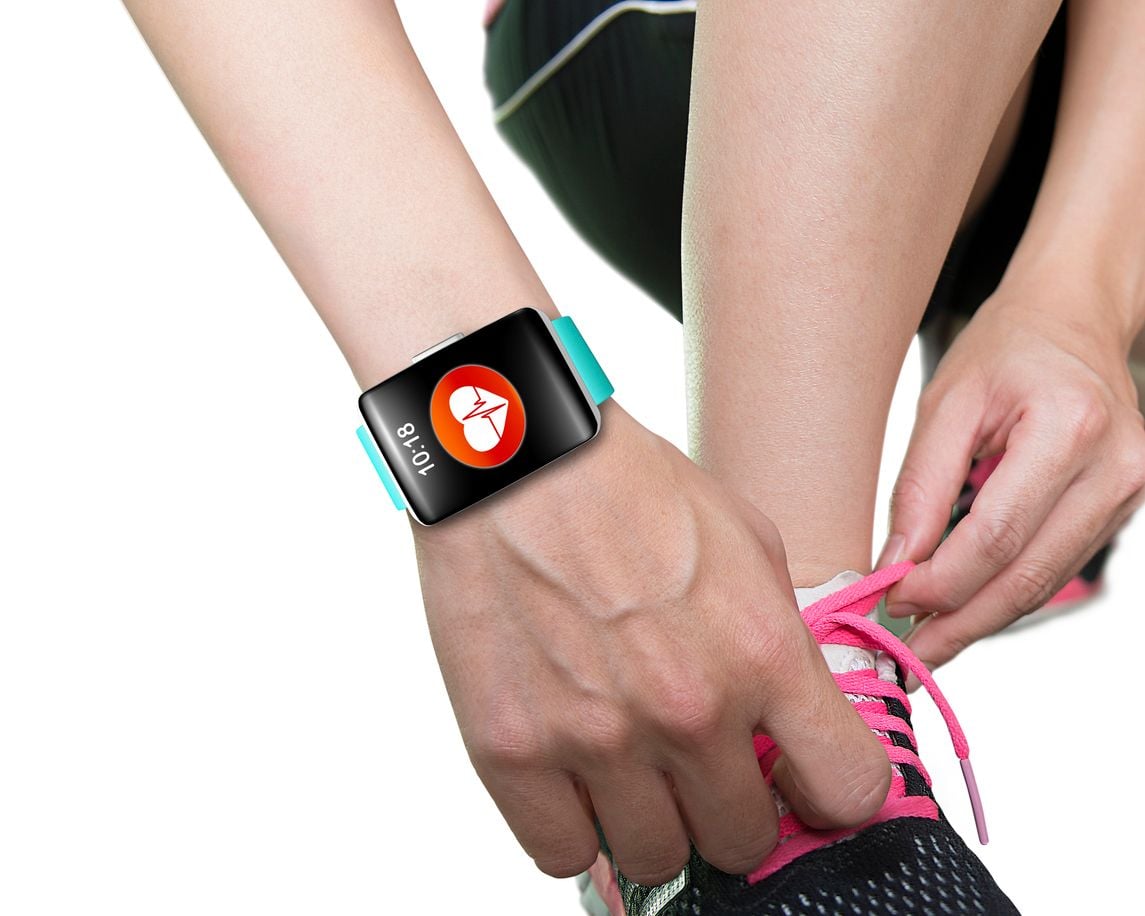
- Many smartwatches now include ECG functions that can detect irregular rhythms. They can provide valuable early data for intermittent symptoms (e.g., if palpitations are infrequent) and help to start a conversation with your doctor.
- Note - smartwatches are not a replacement for professional medical diagnosis and need clinical confirmation. These devices can be useful for capturing brief, infrequent palpitations that might be missed in a doctor’s office, but their single-lead readings have limitations compared to the standard 12-lead ECGs, requiring follow-up with healthcare providers. Regard the findings on a smartwatch as a tool to start a conversation with your doctor.
4. Schedule recovery
- Just as you plan long runs and hard intervals, build in rest days and recovery weeks. The heart, like muscles and tendons, needs time to repair and adapt.
5. Regular screening
- For athletes over 35 years old, particularly those training at high volumes, consider periodic heart health checks. An ECG, echocardiogram, or even exercise stress test may identify issues before symptoms appear.
- A word of warning is issued here - give serious consideration to potentially postponing screening until you have a valid health/life insurance policy in place or at least understand the implications of a positive result. Read more about that here: Screening athletes for heart problems. More harm than good?
6. Watch alcohol and stimulant use
- Alcohol, especially binge drinking, can trigger AF episodes (“holiday heart syndrome”). Likewise, excessive caffeine or energy drinks can irritate the heart’s electrical system.
Managing arrhythmias without quitting sport
A diagnosis of atrial fibrillation or another arrhythmia doesn’t necessarily spell the end of an athlete’s career. Many athletes continue to train and compete after treatment, which may include medications, catheter ablation procedures, or lifestyle adjustments.
The priority is to work closely with a cardiologist who understands the unique demands of competitive sport. Together, you can find an approach that balances performance with your personal safety.
Striking the right balance
For most athletes, the benefits of regular endurance training far outweigh the risks. Exercise remains one of the strongest predictors of lifelong cardiovascular health. But for those pushing the boundaries of human endurance—ultra-marathoners, elite cyclists, Ironman triathletes—the heart’s rhythm deserves as much attention as speed, strength, and stamina.
The message isn’t to train less, but to train smart. Respect the signals your body sends, incorporate recovery, and pay attention to symptoms that don’t fit the normal training narrative. The sooner an arrhythmia is identified, the better the chances of safe management and continued athletic performance.
Key takeaway for athletes
High training volumes can increase the risk of atrial fibrillation and other rhythm problems, particularly in endurance sports where an athlete has a long-term history of ongoing training and competition. Monitor your heart as closely as you track splits, watts, or lap times—and remember that long-term heart health is the ultimate win.
---
Frequently Asked Questions (FAQs)
Training load and heart rhythm: How much is too much?
Q1: Can exercise ever be “too much” for the heart?
A: Yes. While regular exercise protects cardiovascular health for most people, evidence suggests that very high volumes of endurance training over many years may increase the risk of arrhythmias, particularly atrial fibrillation.
Q2: What is “athlete’s heart” and how does it relate to rhythm issues?
A: “Athlete’s heart” describes normal cardiac adaptations to training, such as larger chambers and a lower resting heart rate. These changes are usually healthy but, in some athletes, prolonged strain may contribute to electrical instability.
Q3: Who is most at risk of training-related atrial fibrillation?
A: Competitive endurance athletes—especially men over about 40 years of age with long-term high training volumes—appear to have higher rates of atrial fibrillation than the general population (noting women are typically under-represented in most studies to date).
Q4: What symptoms should athletes be cautious about?
A: Palpitations, unexplained fatigue or breathlessness, an unexpected drop in performance, dizziness, or fainting should not be ignored, particularly if symptoms are persistent or recurrent.
Q5: Are smartwatches reliable for detecting heart rhythm problems?
A: Wearable devices can help capture intermittent rhythm irregularities and support symptom reporting, but they are not diagnostic and require confirmation with clinical ECG testing.
Q6: Should endurance athletes undergo regular heart screening?
A: Screening may be appropriate for some athletes, particularly those over 35 with high training loads, but decisions should be individualised and made with an understanding of potential clinical and insurance implications.
Q7: Does a diagnosis of atrial fibrillation mean ending an athletic career?
A: No. Many athletes continue to train and compete safely with appropriate management, which may include lifestyle modification, medication, or procedures guided by a cardiologist experienced in athlete care.
---
References
Apelland T, Letnes JM, Janssens K, et al. 2025. Arrhythmia burden, symptoms and quality of life in female and male endurance athletes with paroxysmal atrial fibrillation: a multicentre cohort study in Norway, Australia and Belgium. BMJ Open; 15:e100496. doi:10.1136/bmjopen-2025-100496.https://pmc.ncbi.nlm.nih.gov/articles/PMC12336556/
Buckley BJR, Lip GYH, Thijssen DHJ. 2020. The counterintuitive role of exercise in the prevention and cause of atrial fibrillation. Am J Physiol Heart Circ Physiol; 319(5): H927-H1151. https://journals.physiology.org/doi/full/10.1152/ajpheart.00509.2020
Buckley B. 2025 (December 5). Endurance athletes have four times higher risk of irregular heart beat - and this may be why. The Conversation. https://theconversation.com/endurance-athletes-have-a-four-times-higher-risk-of-irregular-heartbeat-and-this-may-be-why-270485
Claessen G, De Bosscher R, Jansses K, et al. 2024. Reduced ejection fraction in elite endurance athletes: Clinical and genetic overlap with dilated cardiomyopathy. Circulation; 149(18): 1405-1415. https://www.ahajournals.org/doi/10.1161/CIRCULATIONAHA.122.063777
Cornwell III WK, Levine BD. 2024. Unraveling the unsolved mysteries of the athletic heart [editorial]. Circulation; 149(18): 1416-1418. https://www.ahajournals.org/doi/10.1161/CIRCULATIONAHA.124.064534
De Bosscher R, Heidbuchel H, Claessen G, La Gerche A. 2022. Tackling an unmet need in sports cardiology: understanding exercise-induced cardiac remodelling and its clinical consequences. Br J Sports Med; 56: 776-7. https://bjsm.bmj.com/content/56/14/776
Elliott AD, Linz DL, Mishima R, et al. 2020. Association between physical activity and risk of incident arrhythmias in 402 406 individuals: evidence from the UK Biobank cohort, European Heart Journal; 41(15): 479-1486, https://doi.org/10.1093/eurheartj/ehz897
Franklin BA, Thompson PD, Al-Zaiti et al. 2020. Exercise-related acute cardiovascular events and potential deleterious adaptations following long-term exercise training: placing the risks into perspective-an update: a scientific statement from the American Heart Association. Circulation; 141: e705-36.https://www.ahajournals.org/doi/10.1161/CIR.0000000000000749
La Gerche A, Wasfy MM, Brosnan MJ,et al. 2022. The athlete's heart-challenges and controversies: JACC Focus Seminar 4/4. J Am Coll Cardiol; 80(14):1346-1362. doi: 10.1016/j.jacc.2022.07.014. https://pubmed.ncbi.nlm.nih.gov/36075838/
Pelliccia A, Sharma S, Gati S, et al. (2021). 2020 ESC guidelines on sports cardiology and exercise in patients with cardiovascular disease. European Heart Journal, 42(1), 17-96. https://doi.org/10.1093/eurheartj/ehaa605
)
| Tags:Heart Health for Athletes |